Spot the Fault. Secure the System.
An HMI Redesign with 3D Digital Twin for Better Usability

Identifying errors before they become a risk
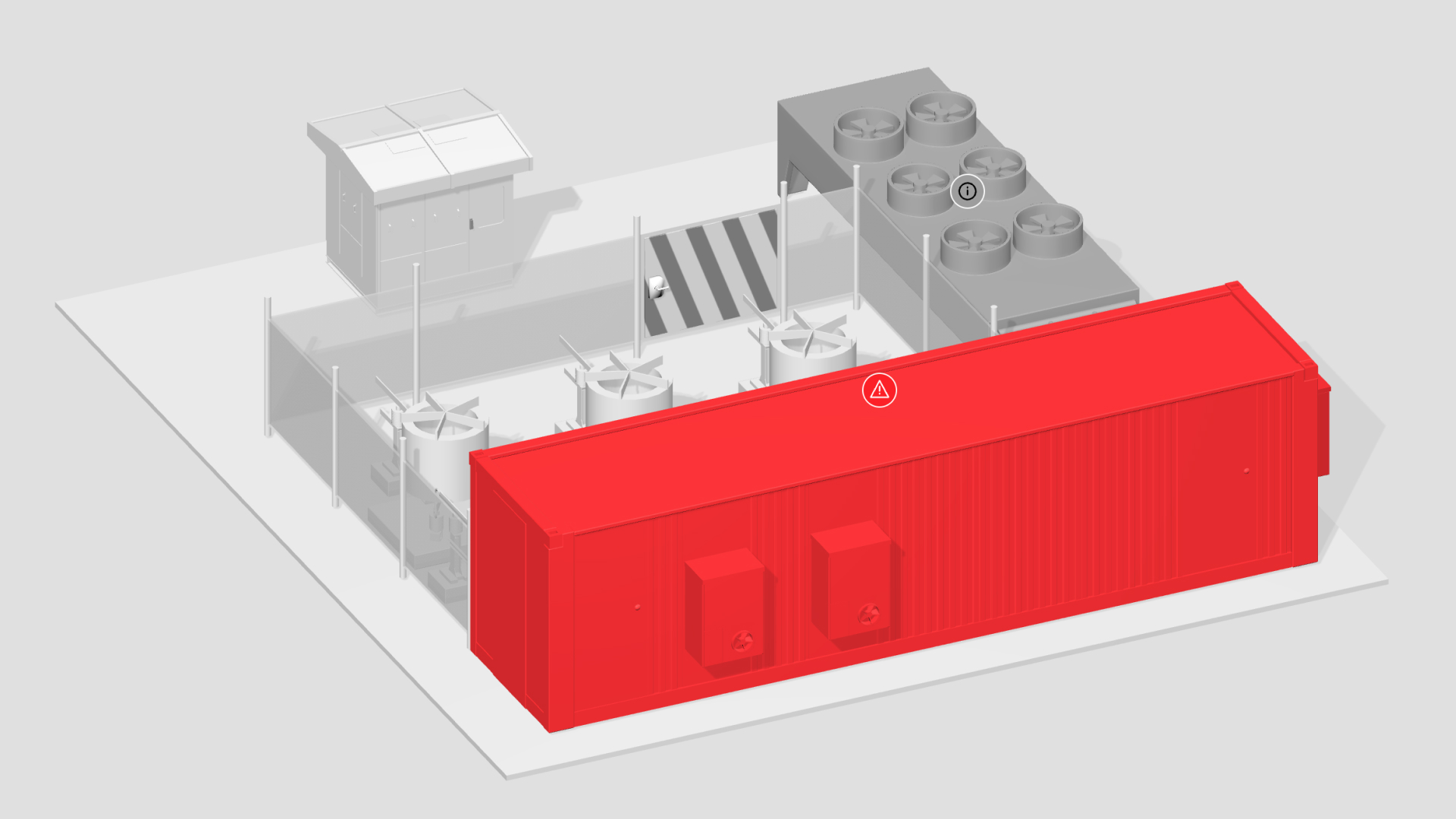
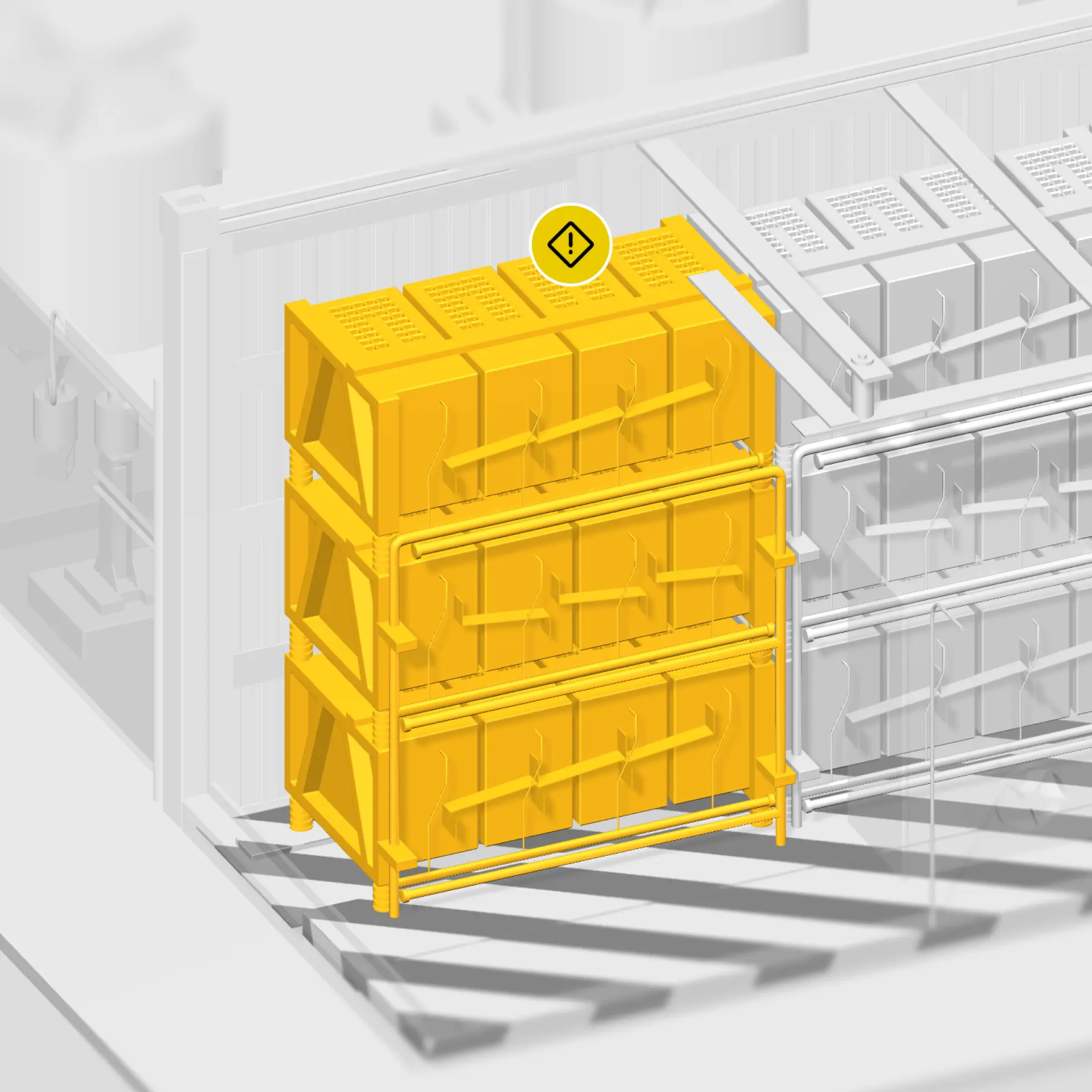
Reinhausen faced the challenge that technical faults in the GRIDCON® STATCOM system were difficult to identify. The existing user interface required extensive knowledge and training to pinpoint disruptions precisely. Additionally, affected system areas were not clearly recognizable as danger zones in the event of a fault.
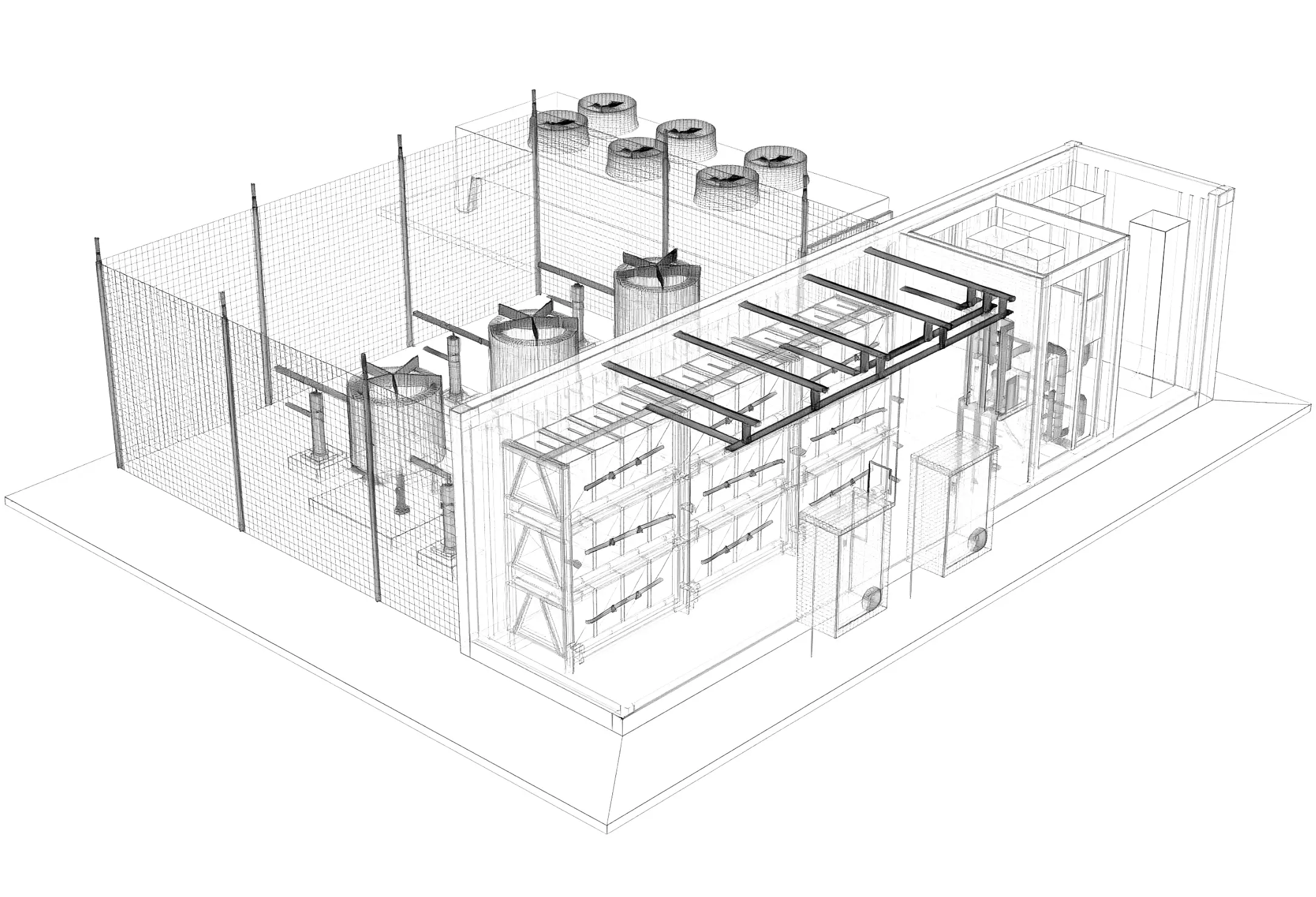
To improve safety and simplify operation, we developed an intuitive interface that uses an advanced 3D model to visualize complex data and instantly locate the source of errors.
Client:
Reinhausen
Energy Technology
Services:
UI Design
Prototyping
UX Research
UX Design
Project Management
Software Engineering
With an innovative 3D digital twin solution, we completely reimagined the operation of MR's system from the ground up.

Project Results
In close collaboration with MR, we developed a consistent design system and an embeddable 3D model that makes complex KPIs intuitively accessible. Through a clear visual strategy – comprehensively documented in the client's Confluence – we were able to deliver the project exactly on schedule. The result is a high level of client satisfaction, already reinforced through a joint on-site system inspection, laying the foundation for a long-term strategic partnership.
Project Results
In close collaboration with MR, we developed a consistent design system and an embeddable 3D model that makes complex KPIs intuitively accessible. Through a clear visual strategy – comprehensively documented in the client's Confluence – we were able to deliver the project exactly on schedule. The result is a high level of client satisfaction, already reinforced through a joint on-site system inspection, laying the foundation for a long-term strategic partnership.
Keeping the Full 3D Picture

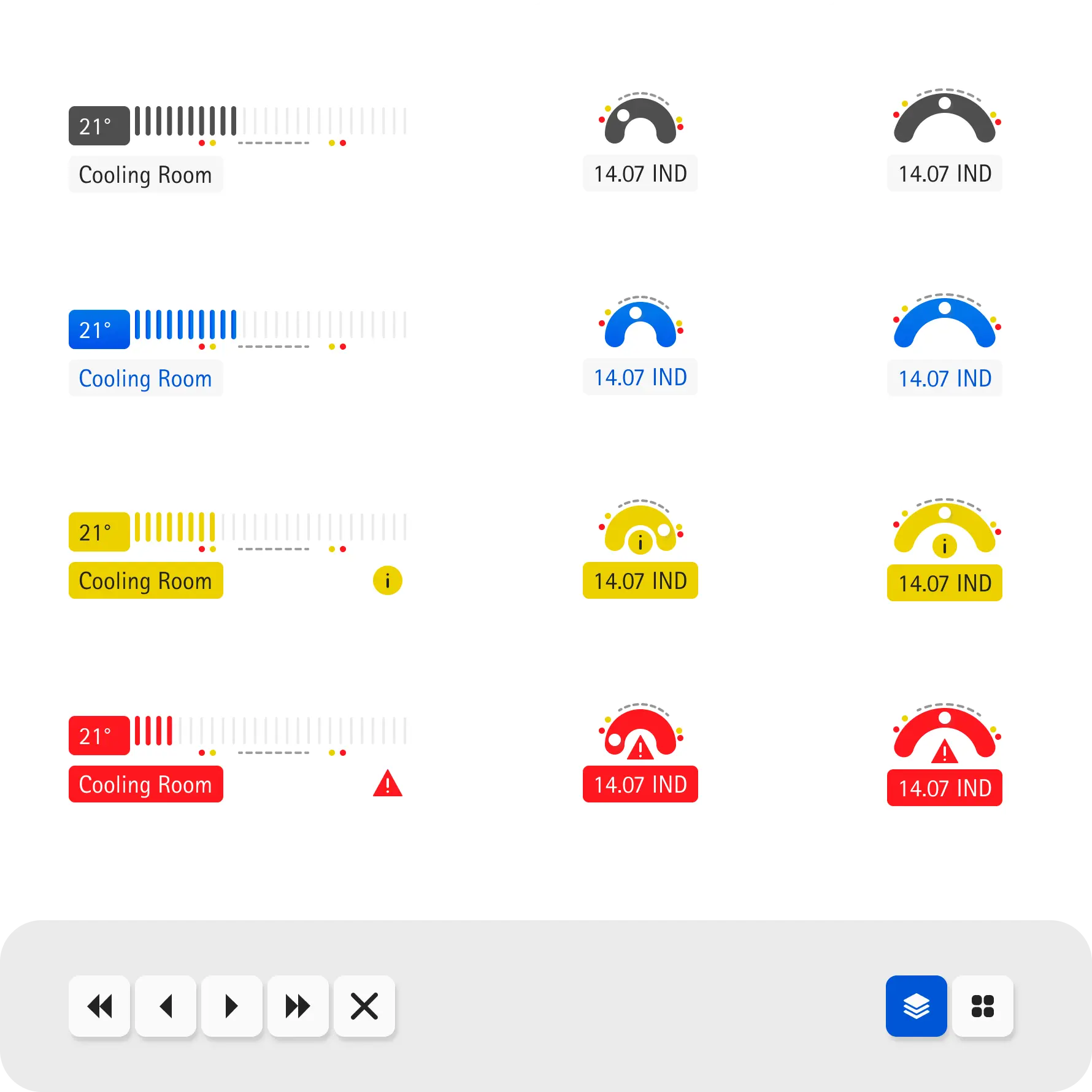

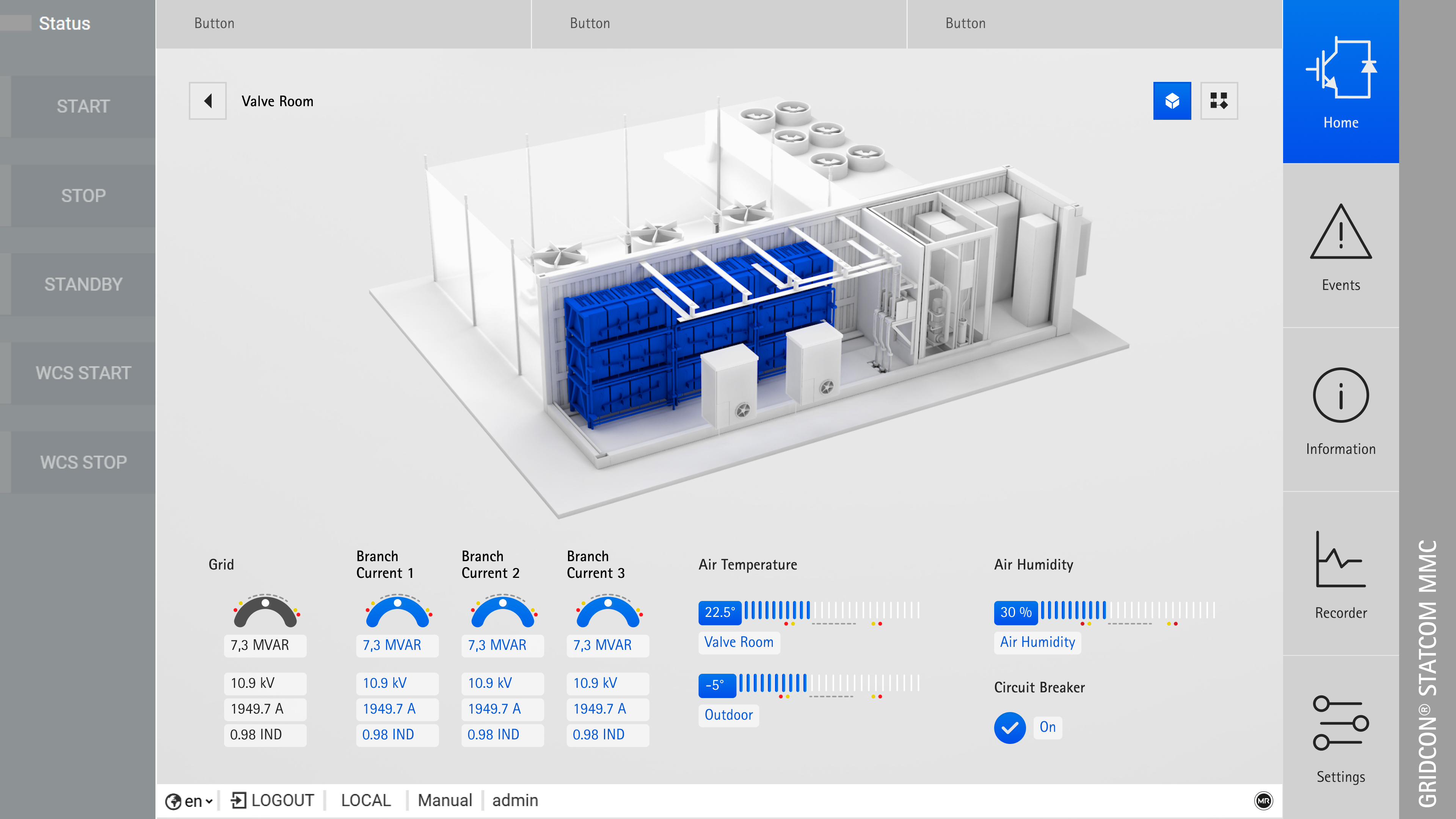
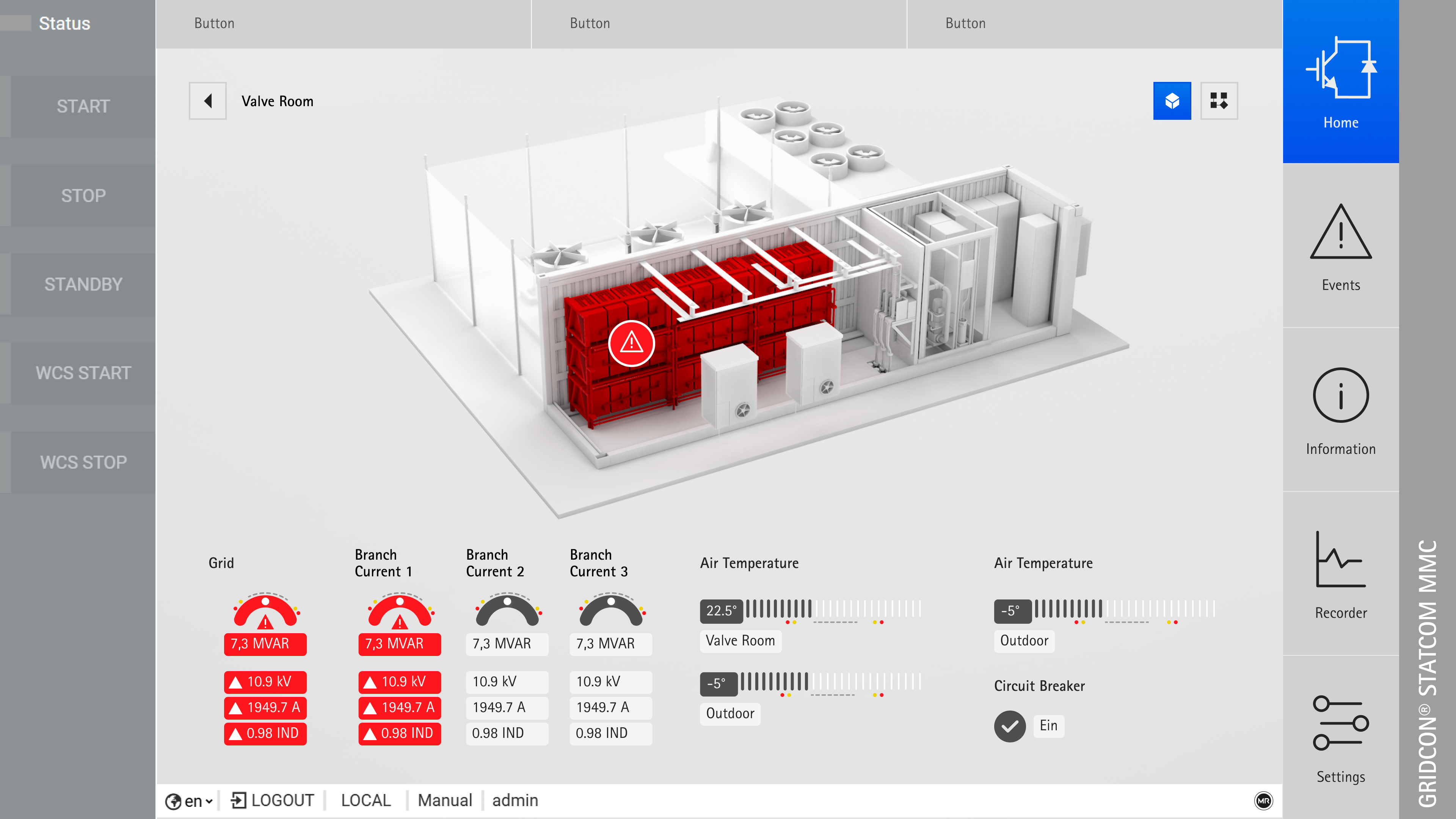
The new 3D digital twin makes it possible to quickly identify faulty areas and take the necessary action. Access remains intuitive and the need for briefings is minimal. A comprehensive visual design and a unified component library significantly improve the usability and clarity of the new operator interface, while ensuring a consistent visual language.
Scalable & Low-Maintenance
The developed 3D component uses existing CAD data directly as the basis for visualization. Interactive areas and restricted system sections are automatically derived from the CAD model provided by the client, with no additional manual adjustments or custom programming required.Thanks to the standardized and reusable architecture, new machines or systems can be integrated with minimal implementation effort. The result is a scalable 3D solution that increases efficiency and significantly reduces maintenance overhead.
Mehr dazu




Technologies
Clients Who Trust Us


It all starts with a good conversation.
Let's talk about the possibilities for your digital product development. We look forward to hearing from you.